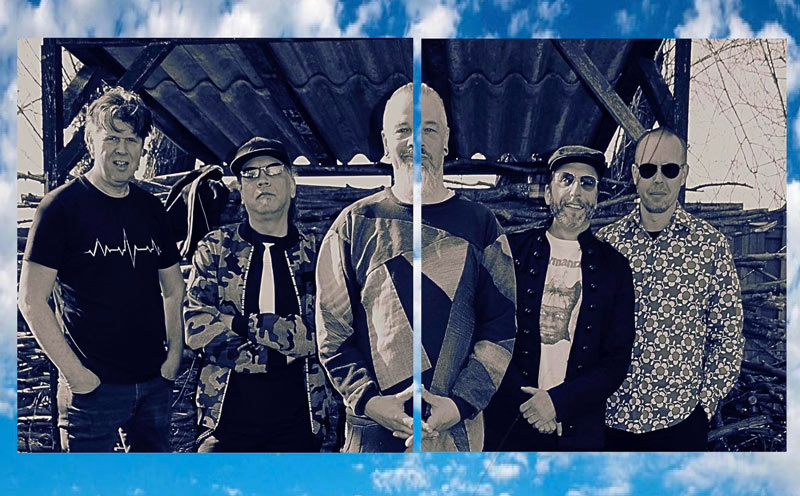
1. For readers who may not know you yet, could you introduce yourself and tell us a little about your musical journey?
PAULISME: My name is Paul van Musscher (known as Paulisme), born in ‘73 and been making music since the age of 14. Started playing bass because i wanted to be a reggae bass player, they looked the coolest. When i started singing me and Naroman formed a duo called International Party, it was eclectic dancehall . After that i really started to write proper songs, and after some records (yes, back then already on vinyl) came out, we formed the psychedelic funk rock reggae formation Fred & Barney(stopped in 2003).
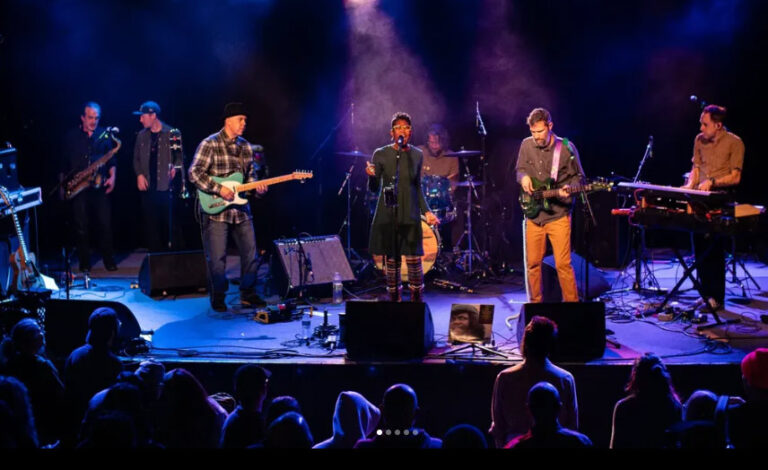
With this group of excellent musicians I’ve grown into the performer which i am now. All along this whole live thing i’ve always and till today, been making collaborations with many producers /songwriters in almost every genre. Around 2016 me and Gilbert Felix started The Amsterdelics, a p-funk soul groove band with a pinch of radical reggae. We’ve been playing since then and will continue with recordings and live shows.
As Paulisme en de Tranentrekkers i sing in Dutch and in reggae /dub. The same musicians who play as The Bantons, roots reggae project.
2. When did reggae first enter your life, and what was it about the music that immediately connected with you?
The moment i saw Bob Marley live at the lyceum on vhs i was captivated by him and the music. Still my biggest inspiration. The simplicity of the music but yet so many layers and messages of rebellion and worship got me hooked.
3. Which reggae artists or albums have had the biggest influence on your sound and artistic vision?
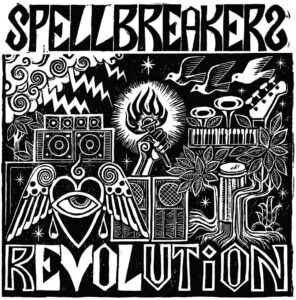
I’ve got to say Bob Marley, or the original Wailers. But Vaughn Benjamin (Midnite/ Akae Beka with his more spiritual style had lot of influence on me as a musician. (Bob Marley) The Wailers – Burning & Live! Akae Beka- Portals (i could never make these lists, cause there are so many great reggae artists who influenced me..but let’s keep it to these two..).
4. Growing up in Amsterdam, how did the city’s culture and music scene shape you as an artist?
It sure did! In the 80’s & 90’s there was so much diversity in music, funk ,soul, punk, house, hiphop, alternative music. And i was like a sponge, absorbing all styles and cultures. That’s probably why i like to mix styles into something eclectic.
Reggae in Dutch
5. What inspired you to start performing reggae in Dutch, and what challenges or advantages does that bring?
I’ve always wrote songs in English but here and there there where some dutch ones, most of the time as a poem. But it really started when i did a heritage project called De Porders. I am the cousin of Johnny Jordaan, and i wanted to honor him with me singing his songs but in my own way, which was reggae/rocksteady. Challenges & advantages in music sounds like it is about success, and for me music is all about telling stories and it works therapeutic for me,otherwise I would have lost my mind completely in this grazy world.
6. How did Paulisme en de Tranentrekkers come together, and what was the original idea behind the project?
The players from De Porders are de Tranentrekkers, and i invite them to just try out these songs i wrote. For me it’s the most personal project because it’s in Dutch. I cannot hide behind a language anymore, feels like i’m naked . The songs are about friends who died, my youth,the big love, protest songs and the decay of life among other things.
7. Your music blends reggae, dub and Dutch storytelling. How would you describe your sound to someone who has never heard it before?
Nederreaggae ,dub in je moerstaal . But the question is the answer in this one.
8. What is your songwriting process like? Do songs usually start with a lyric, a melody, or a rhythm?
Sometimes i write with a guitar, and then improvise on what i play, record it and then see if there’s a hook or refrain as a melody, then write lyrics with it. Sometimes the band will jam, and i improvise on it. Other times i already have wrote a lyric or poem and then the band will play to it.
9. Looking back on your career so far, what moments are you most proud of?
There are so many, but the first time you hear your song on the radio(early 90’s) is mind blowing. With the Amsterdelics we play yearly in de Melkweg Amsterdam, very proud of that, and playing in Paradiso with de Porders was a very proud moment as well.
Dutch Reggae Scene
10. How do you view the current reggae scene in the Netherlands, and how has it changed over the years?
The blending and fusion of reggae and dancehall with other genres in the Netherlands is a good thing because it can lead young people to discover reggae. And if you look at the amount of reggae festivals, it is slowly growing. But the level of creativity and rebellious music could be a bit higher. We need airplay for reggae to stay alive.
11. Are there any Dutch reggae artists or bands that you feel deserve more attention?
12. What are the biggest challenges for reggae artists in the Netherlands today?
I think that reggae artists should be booked more on mainstream festivals, because Dutch people like it,but the bookers go for tribute bands or something with less opinions about social living , injustice or equality.
13. What are you currently working on, and can fans expect new music in the near future?
With Paulisme en de Trannentrekkers we are recording an album at Earthworks Studio this summer, not yet a release date. Also planning some theatre shows in the fall.
14. Where do you see yourself and Paulisme en de Tranentrekkers five years from now?
At the costa del sol! But really, i would be blessed to still playing the songs i love, so i would say: on stage!
15. Finally, what message would you like to share with the readers of Reggae Agenda?
I’ve supported Reggae Agenda from the start and it’s a honor for me getting the love back. I have gota message: Love Revolution is coming Soon 🩵