Peter Tosh: More Than A Reggae Icon
When people think of reggae music, names like Bob Marley, Bunny Wailer and Peter Tosh immediately come to mind. While all three helped introduce Jamaican music to the world through The Wailers, Peter Tosh carved out a unique legacy that extended far beyond music.
Known for his uncompromising attitude, powerful lyrics and fearless activism, Peter Tosh became one of the most outspoken advocates for cannabis legalization long before the subject became part of mainstream political debate.
For Tosh, cannabis was not simply a recreational substance. It was a symbol of freedom, spirituality, cultural identity and resistance against oppression. Through his music and public appearances, he challenged governments, questioned authority and called for a different approach to cannabis laws around the world.

From Musician To Activist
Born Winston Hubert McIntosh in 1944, Peter Tosh grew up in rural Jamaica before moving to Kingston as a teenager. It was there that he met Bob Marley and Bunny Livingston, later known as Bunny Wailer. Together, they formed The Wailers, a group that would become one of the most influential bands in music history.
While Bob Marley often became known for messages of unity and peace, Peter Tosh developed a reputation for being more direct and confrontational. His songs frequently addressed issues such as social injustice, equal rights, poverty and political corruption.
Tosh believed that music should not only entertain people but also educate and inspire them to challenge systems of inequality. This philosophy would eventually make him one of the strongest voices in the global movement for cannabis legalization.
Cannabis And The Rastafari Faith
To understand Peter Tosh’s advocacy, it is important to understand the role cannabis plays within the Rastafari movement. For many Rastafarians, cannabis—often referred to as ganja—is considered a sacred herb. It is traditionally used during reasoning sessions, meditation and spiritual gatherings.
Many followers believe it helps promote deeper thought, spiritual awareness and a closer connection with the divine. Peter Tosh often argued that governments and authorities misunderstood cannabis. In his view, the plant had been unfairly demonized while substances such as alcohol and tobacco remained widely accepted despite their well-documented risks.
His advocacy was rooted not only in personal belief but also in the protection of religious freedom and cultural traditions.
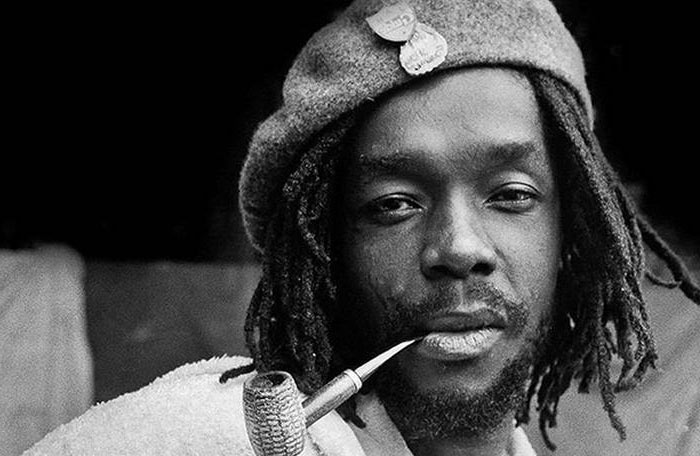
“Legalize It” Changed Everything
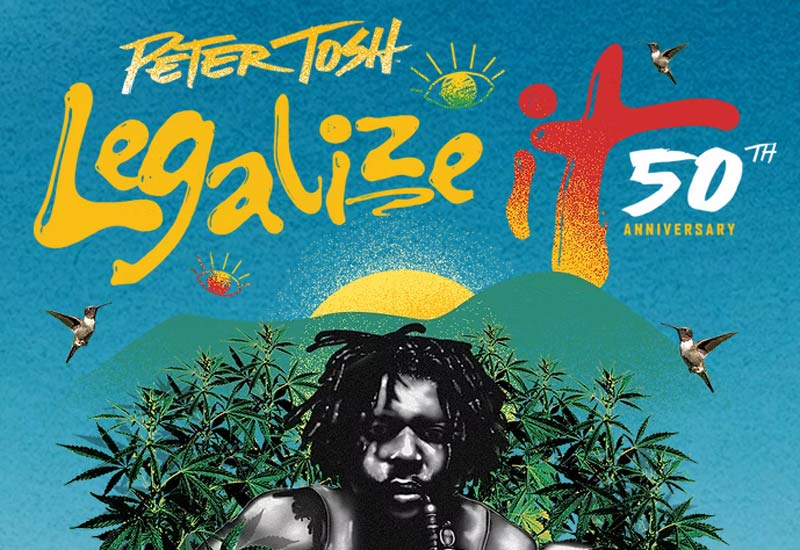
In 1976, Peter Tosh released what would become the defining statement of his career: Legalize It. The album’s title track quickly became one of the most recognizable cannabis anthems ever recorded.
In the song, Tosh openly calls for the legalization of marijuana while listing various professions and social groups that use cannabis. The message was bold, controversial and unlike anything being played on mainstream radio at the time.
The album cover itself became iconic. It featured Peter Tosh standing in a field of cannabis plants, leaving little doubt about where he stood on the issue.
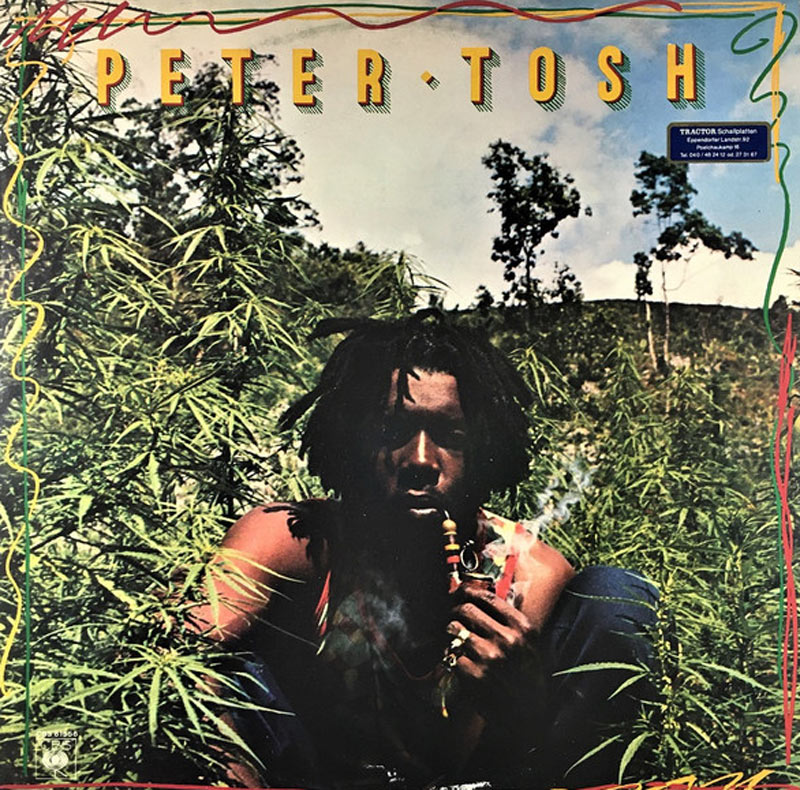
Although the song faced resistance in some markets, it resonated with audiences around the world and helped transform Peter Tosh into an international symbol of cannabis activism.
Nearly fifty years later, “Legalize It” remains one of the most influential songs ever written about cannabis.
Challenging The War On Cannabis
Peter Tosh was never afraid to criticize governments and law enforcement agencies for their treatment of cannabis users. Throughout the 1970s and 1980s, cannabis possession often resulted in harsh penalties in many countries, including Jamaica. Tosh argued that these laws disproportionately affected ordinary people while ignoring larger social issues.
He frequently questioned why alcohol remained legal while cannabis users faced arrest and imprisonment.
In interviews and public appearances, Tosh spoke passionately about what he saw as hypocrisy within drug policies. His arguments focused on personal freedom, religious rights and the belief that cannabis prohibition caused more harm than the plant itself.
These views were considered radical by many at the time. Decades later they have become part of mainstream discussions around cannabis reform.
A Vision Ahead Of Its Time
When Peter Tosh released “Legalize It” in 1976, very few governments were willing to seriously discuss cannabis legalization.
Today, the global conversation looks very different.
Numerous countries have introduced medical cannabis programs, while several nations and regions have legalized or decriminalized cannabis possession. Public attitudes have shifted dramatically, and research into cannabis continues to expand.
Many of the arguments being used by modern legalization advocates closely resemble the points Tosh was making nearly half a century ago.
While he may not have lived to see many of these changes, his influence can still be felt throughout the global cannabis movement.
The Lasting Legacy Of Peter Tosh
Peter Tosh’s impact extends far beyond reggae music.
He inspired generations of artists, activists and advocates who continue to fight for cannabis reform and social justice. His music remains relevant because the issues he addressed are still being debated today.
Songs such as “Legalize It,” “Equal Rights” and “Get Up, Stand Up” continue to introduce new audiences to his message of freedom and empowerment.
For reggae fans, Peter Tosh is remembered as one of the genre’s greatest artists. For cannabis advocates, he is remembered as one of the earliest and most influential voices calling for legalization.
Conclusion
Peter Tosh was much more than a musician.
He used his platform to challenge authority, defend religious freedom and advocate for cannabis legalization at a time when few public figures were willing to do so.
His message was simple yet powerful: people should have the freedom to make their own choices, and cultural traditions should be respected rather than criminalized.
Nearly five decades after the release of Legalize It, Peter Tosh’s voice continues to resonate around the world. His music remains a reminder that reggae has always been about more than rhythm and melody—it has also been a vehicle for change.
And when it comes to cannabis legalization, Peter Tosh was undoubtedly one of the movement’s earliest and most influential pioneers.
WWW: Peter Tosh | Home